Your Complete Kenya Safari Guide: Everything You Need to Know Before Visiting Kenya
Kenya Safari Guide & Travel Tips
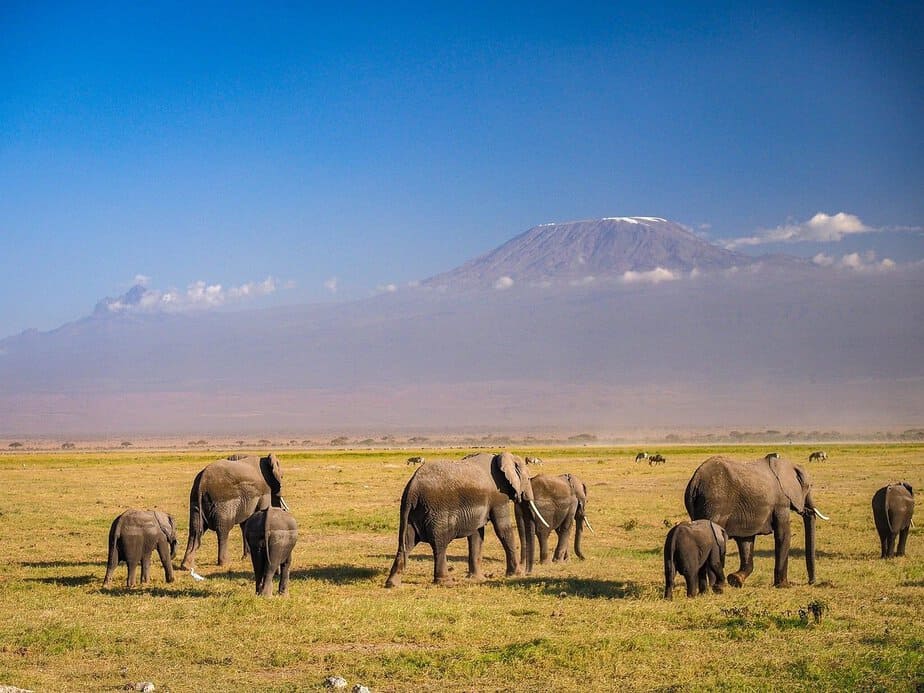
Planning an African safari is an exciting experience, and few destinations offer the extraordinary wildlife encounters, breathtaking landscapes and cultural experiences found in Kenya. From the endless golden plains of the Maasai Mara to the snow-capped views of Mount Kilimanjaro across Amboseli National Park, Kenya offers some of the most memorable safari experiences in Africa.
Whether you are planning your first African adventure, dreaming of witnessing the Great Wildebeest Migration, photographing the Big Five or enjoying a romantic luxury safari, Kenya has something exceptional to offer.
Explore our carefully planned Kenya safari packages and discover unforgettable wildlife experiences across Kenya’s most spectacular national parks and reserves.
At African Sermon Safaris, we believe a great safari is more than simply spotting wildlife. It is about experiencing Africa’s natural beauty, discovering its diverse cultures, enjoying authentic hospitality and creating memories that last a lifetime.
This comprehensive Kenya safari guide covers everything you need to know before travelling to Kenya, including the best destinations, wildlife experiences, travel seasons, accommodation options, safari costs and practical planning tips.
1. Why Choose Kenya for Your African Safari?
Kenya is one of Africa’s most celebrated safari destinations, attracting travellers from across the world with its remarkable biodiversity, spectacular national parks and exceptional wildlife experiences.
The country offers a unique combination of diverse ecosystems, including open savannah grasslands, acacia woodlands, freshwater lakes, mountain forests and semi-arid landscapes.
These different habitats support an extraordinary variety of wildlife, making Kenya an excellent destination for both first-time safari travellers and experienced wildlife enthusiasts.
Here are some reasons why Kenya should be on your African safari bucket list:
- Exceptional wildlife diversity: Kenya is home to elephants, lions, leopards, buffaloes, rhinos, giraffes, zebras, cheetahs and hundreds of bird species.
- The Great Wildebeest Migration: The Maasai Mara hosts spectacular seasonal wildlife movements involving wildebeest, zebras and other grazing animals.
- Beautiful landscapes: Experience rolling savannahs, dramatic escarpments, mountain scenery and scenic lakes.
- Outstanding safari experiences: Enjoy game drives, guided nature walks where permitted, cultural experiences and photographic safaris.
- Diverse accommodation: Choose from luxury safari lodges, exclusive tented camps, mid-range accommodation and budget-friendly safari camps.
- Rich cultural heritage: Discover Kenya’s diverse communities, traditions, food and welcoming hospitality.
Whether you prefer an adventurous camping safari or an exclusive luxury experience, Kenya offers opportunities for different travel styles and budgets.
2. Best Safari Destinations in Kenya
Kenya has numerous national parks, reserves and conservancies, each offering distinctive wildlife experiences.
Choosing the right destinations is an important part of planning your safari.
Maasai Mara National Reserve
The Maasai Mara is arguably Kenya’s most famous safari destination and one of the most celebrated wildlife areas in the world.
Located in southwestern Kenya, the reserve is renowned for its extensive savannah grasslands, abundant wildlife and the spectacular Great Wildebeest Migration.
Planning to witness this incredible wildlife spectacle? Explore our Maasai Mara safari packages and discover the magic of Kenya’s most iconic wildlife destination.
The Maasai Mara offers excellent opportunities to encounter:
- Lions and other large predators.
- Leopards resting in trees.
- Cheetahs hunting across open grasslands.
- African elephants.
- Buffaloes and giraffes.
- Large herds of wildebeest and zebras.
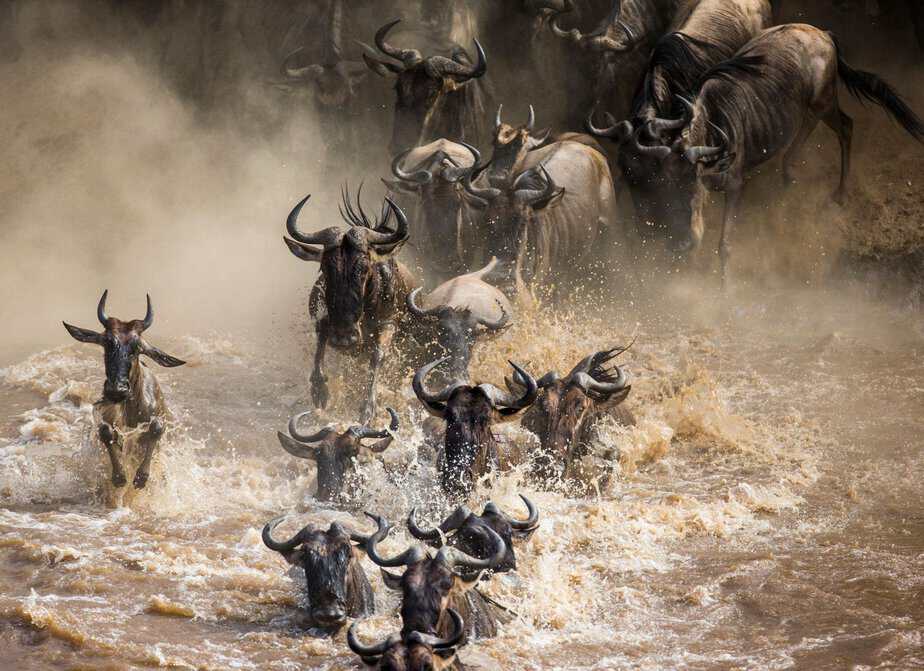
Between approximately July and October, the Maasai Mara is particularly famous for the arrival of migrating wildebeest from Tanzania’s Serengeti ecosystem. River crossings can provide spectacular wildlife viewing, although their timing and occurrence are unpredictable.
Visitors can also enjoy hot-air balloon safaris, photographic game drives and selected cultural experiences with local Maasai communities.
For travellers seeking an unforgettable Kenya wildlife experience, the Maasai Mara is an essential destination.
Amboseli National Park
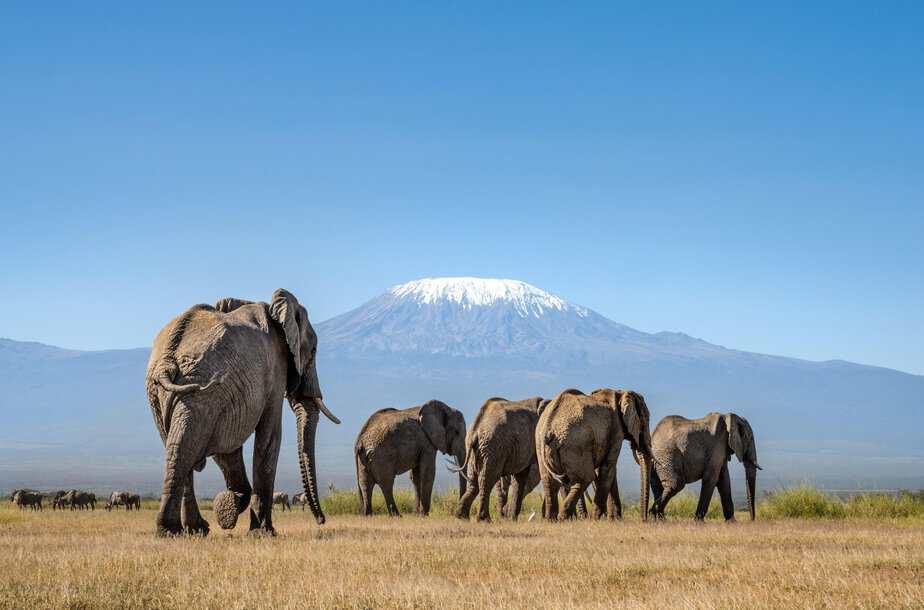
Amboseli National Park is famous for its large elephant herds and breathtaking views of Mount Kilimanjaro.
The park’s relatively open landscapes make it an excellent destination for wildlife photography, especially during clear mornings when Africa’s highest mountain provides a dramatic backdrop.
Amboseli is particularly attractive to travellers interested in observing elephants in their natural habitat.
Other wildlife includes:
- Lions.
- Cheetahs.
- Hyenas.
- Zebras.
- Wildebeest.
- Giraffes.
- Numerous bird species.
The park’s wetlands and seasonal swamps attract wildlife throughout the year, creating excellent opportunities for game viewing.
Amboseli is also an excellent addition to a Kenya safari itinerary combining Nairobi, Tsavo and the Maasai Mara.
Discover more opportunities to experience Kenya’s magnificent elephants and breathtaking mountain scenery with our Amboseli safari tours.
Lake Nakuru National Park
Lake Nakuru National Park is an excellent destination for birdwatching, scenic landscapes and wildlife viewing.
The park is particularly known for its rhino conservation efforts and opportunities to see both black and white rhinos.
Depending on seasonal conditions, Lake Nakuru may also attract large numbers of flamingos and other waterbirds.
Other animals commonly encountered include:
- Rothschild’s giraffes.
- Buffaloes.
- Waterbucks.
- Zebras.
- Lions.
- Leopards.
Its relatively compact size makes Lake Nakuru a convenient destination for travellers exploring Kenya’s Great Rift Valley and Kenya National Parks.
Explore our Kenya safari tours to discover itineraries featuring Lake Nakuru and other remarkable wildlife destinations.
Tsavo East and Tsavo West National Parks
Together, Tsavo East and Tsavo West form one of Kenya’s largest protected wildlife landscapes.
Tsavo East is famous for its expansive open plains and distinctive red-dust elephants, while Tsavo West offers dramatic scenery, volcanic formations, natural springs and diverse habitats.
Visitors may encounter elephants, lions, giraffes, zebras, buffaloes and numerous other species.
Tsavo is particularly suitable for travellers seeking a less crowded safari experience and those planning Kenya safari tours combined with a coastal beach holiday in destinations such as Diani or Mombasa.
Samburu National Reserve
Samburu National Reserve in northern Kenya offers a different safari experience, with beautiful semi-arid landscapes and several wildlife species associated with the region.
Samburu is particularly famous for the Samburu Special Five:
- Grevy’s zebra.
- Reticulated giraffe.
- Somali ostrich.
- Beisa oryx.
- Gerenuk.
The Ewaso Ng’iro River is an important wildlife attraction, providing water for elephants, crocodiles and other animals.
Samburu is an excellent destination for travellers looking to explore beyond Kenya’s more familiar southern safari circuit.
Discover more about the fascinating Samburu Special Five and the unique wildlife of northern Kenya.
3. What Is the Best Time to Visit Kenya for a Safari?
Kenya is a year-round safari destination, but the best time to visit depends on your interests, preferred destinations and travel budget.
Understanding the country’s seasonal weather patterns can help you plan a more rewarding experience.
January to March
These months are generally associated with warmer and relatively dry conditions in many popular safari destinations.
Wildlife viewing can be excellent, particularly where animals gather around available water sources.
January and February are also interesting months for birdwatching, as migratory birds may be present.
April to May
These months generally coincide with Kenya’s long rainy season.
Some roads can become challenging, particularly in remote parks and conservancies. However, the landscapes become lush and green, and there are fewer visitors in many destinations.
Travellers seeking beautiful scenery, photography opportunities and potentially lower accommodation rates may find this period attractive.
June to October
This is generally one of the most popular periods for Kenya safaris.
The weather is often drier, vegetation is less dense in many areas, and wildlife can be easier to spot.
The Maasai Mara becomes particularly popular from approximately July to October because of the Great Wildebeest Migration.
August and September are especially attractive to travellers hoping to witness the migration, although wildlife movements depend on rainfall and natural conditions.
For a more detailed seasonal breakdown, read our guide to the best time to visit the Maasai Mara for the Great Wildebeest Migration and discover when to plan your safari.
November to December
The short rainy season generally occurs during November and may extend into December.
The rains can transform the landscape, creating beautiful green scenery.
Wildlife viewing remains possible, and this period can offer a rewarding experience for travellers looking for a quieter safari.
Important: Kenya’s weather is variable, and seasonal patterns differ across regions. The Great Migration is a natural event, so no safari operator can guarantee a particular river crossing or wildlife sighting.
4. The Great Wildebeest Migration: One of Africa’s Greatest Wildlife Experiences
The Great Wildebeest Migration is one of the most extraordinary wildlife spectacles on Earth.
Every year, enormous herds of wildebeest, accompanied by zebras and other grazing animals, move through the Serengeti-Mara ecosystem in search of fresh grazing and water.
The migration is a continuous natural cycle rather than a single event.
As the herds move northwards towards the Maasai Mara, they encounter rivers where crocodiles may be waiting. River crossings can be dramatic, creating unforgettable opportunities for wildlife photographers and safari enthusiasts.
The migration also attracts predators, including lions, leopards, cheetahs and hyenas.
For many travellers, witnessing the Great Wildebeest Migration is the ultimate African safari dream.
To maximise your chances of experiencing the migration, consider planning your Maasai Mara safari between July and October. However, the timing varies each year depending on rainfall and grazing conditions.
5. What Animals Can You See on a Kenya Safari?
Kenya offers excellent opportunities to observe a remarkable variety of African wildlife.
The famous Big Five are among the most sought-after animals.
They include:
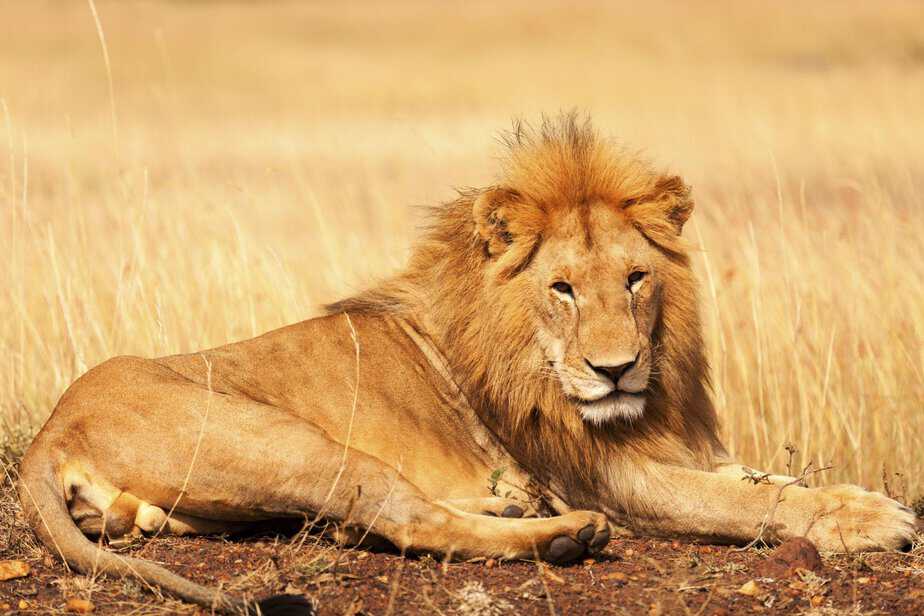
- African lion: Often spotted resting in grasslands or moving through open savannah.
- African elephant: Commonly encountered in Amboseli, Tsavo and other protected areas.
- African leopard: A secretive predator often associated with wooded habitats.
- African buffalo: Frequently seen in herds across several national parks.
- Rhinoceros: Both black and white rhinos can be seen in selected protected areas.
Beyond the Big Five, Kenya is home to cheetahs, giraffes, zebras, wildebeest, hippos, crocodiles, hyenas, gazelles and hundreds of bird species.
Every game drive is different. Wildlife sightings depend on animal movements, weather, habitat conditions and the time spent exploring each destination.
This unpredictability is part of what makes an African safari so special.
6. Types of Kenya Safari Experiences
Kenya offers different safari experiences designed to suit different interests, budgets and travel preferences.
Luxury Kenya Safaris
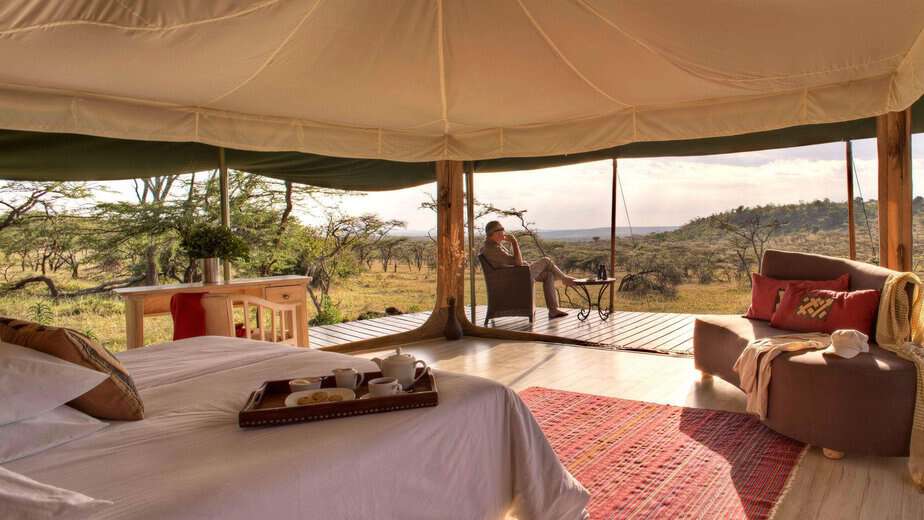
Luxury safaris are ideal for travellers seeking exceptional comfort, personalised service and exclusive wildlife experiences.
Accommodation may include luxury tented camps, private conservancies and high-end safari lodges.
Experiences can include private game drives, fine dining, scenic sundowners and hot-air balloon safaris.
Mid-Range Kenya Safaris
Mid-range safaris offer a balance between comfort, quality and affordability.
Travellers can enjoy comfortable safari lodges and tented camps, experienced guides, scheduled game drives and carefully planned itineraries.
This is an excellent option for couples, families and small groups.
Budget Kenya Safaris
Budget safaris make Kenya’s incredible wildlife experiences accessible to travellers looking for affordable adventures.
They may include budget camps, simpler accommodation, shared transport and group game drives.
A carefully organised budget safari can still deliver excellent wildlife experiences.
Private Kenya Safaris
Private safaris are designed for travellers who prefer flexibility and personalised attention.
You can enjoy a dedicated safari vehicle and guide, with the freedom to spend more time observing particular animals or exploring destinations at your preferred pace.
Private safaris are particularly attractive to photographers, families and couples.
Family Kenya Safaris
Kenya is an excellent destination for family holidays.
Many safari lodges and camps offer family-friendly facilities and activities, although age restrictions vary.
When planning a family safari, consider shorter driving distances, comfortable accommodation and activities suitable for children’s ages.
7. How Much Does a Kenya Safari Cost?
The cost of a Kenya safari depends on several factors, including the destinations visited, accommodation category, number of travel days, transport arrangements, park fees and season.
Generally, safari prices are influenced by:
- Accommodation standards.
- Private or shared safari transport.
- Number of travellers.
- Park and conservancy fees.
- Meals and included activities.
- Domestic flights, where applicable.
- Travel season and availability.
A budget camping safari will generally cost less than a luxury fly-in safari staying in exclusive tented camps.
The length of your safari also matters. A three-day Maasai Mara safari will have a different overall cost from a ten-day itinerary covering Amboseli, Lake Nakuru, the Maasai Mara and other destinations.
For the best value, plan your itinerary around the destinations and experiences that matter most to you rather than simply choosing the cheapest available package.
At African Sermon Safaris, travellers can enquire about safari arrangements suited to their travel dates, interests and budget.
Requesting a personalised quotation is an excellent way to understand the options available before making your booking.
Looking for an experience that matches your budget? Explore our Kenya safari packages and find an itinerary suited to your preferred travel style, accommodation and budget.
8. How Many Days Do You Need for a Kenya Safari?
The ideal safari duration depends on how many destinations you want to explore.
Here are some suggested itineraries:
3-Day Kenya Safari
A three-day safari is suitable for travellers with limited time.
A popular option is a Maasai Mara safari, allowing time for road transfers, game drives and wildlife viewing.
5-Day Kenya Safari
A five-day itinerary provides more flexibility.
You could explore the Maasai Mara and Lake Nakuru, combining spectacular savannah wildlife with rhino viewing and Rift Valley scenery.
7-Day Kenya Safari
A seven-day safari allows travellers to explore multiple destinations at a more comfortable pace.
One possible itinerary includes:
- Nairobi.
- Amboseli National Park.
- Lake Nakuru National Park.
- Maasai Mara National Reserve.
10-Day Kenya Safari
A ten-day safari offers opportunities for a more comprehensive adventure.
Depending on your interests, you could combine the Maasai Mara, Lake Nakuru, Samburu and Amboseli.
You can also consider extending your safari with a relaxing beach holiday along Kenya’s Indian Ocean coastline.
9. What Should You Pack for a Kenya Safari?
Packing appropriately will make your safari more comfortable and enjoyable.
Here are some useful essentials:
- Lightweight, breathable clothing.
- Neutral-coloured safari outfits.
- Comfortable walking shoes.
- A warm jacket for early morning game drives.
- Sunscreen and sunglasses.
- A wide-brimmed hat.
- Insect repellent.
- Binoculars.
- A camera with suitable lenses.
- Personal medication and toiletries.
- A reusable water bottle.
If you are travelling on domestic safari flights, remember that luggage weight and bag-size restrictions may apply.
Soft-sided luggage is often recommended for smaller safari aircraft.
You should also check your airline’s luggage requirements before departure.
10. Important Travel Tips Before Visiting Kenya
A little preparation can make your Kenya safari much easier.
Check Your Entry Requirements
Travellers should confirm Kenya’s current entry and Electronic Travel Authorisation requirements before departure.
Requirements may vary depending on nationality, travel purpose and applicable exemptions.
Consider Travel Insurance
Comprehensive travel insurance is recommended.
Consider cover for medical emergencies, trip cancellations, lost luggage and emergency evacuation where appropriate.
Respect Wildlife
Always follow your safari guide’s instructions.
Maintain a safe distance from animals, avoid disturbing wildlife and never leave your safari vehicle unless your guide confirms that it is safe and permitted.
Respect Local Cultures
Kenya has a rich cultural heritage and diverse communities.
When visiting local communities, be respectful of traditions, ask permission before taking photographs and support responsible tourism initiatives.
Choose a Reputable Safari Operator
Your safari experience depends greatly on the quality of planning, guiding, accommodation and transport.
Choose an operator that communicates clearly, provides transparent quotations and understands the destinations you want to visit.
11. Why Book Your Kenya Safari with African Sermon Safaris?
Choosing the right safari company is one of the most important decisions when planning an African adventure.
At African Sermon Safaris, our aim is to help travellers discover the beauty of Kenya and Africa through memorable safari experiences.
Whether you are interested in a classic Maasai Mara adventure, an Amboseli elephant safari, a wildlife photography holiday or a multi-destination African journey, the right itinerary makes all the difference.
We believe every traveller deserves a safari experience that reflects their interests, expectations and budget.
When planning your safari, consider:
- Your preferred travel dates.
- The destinations you would like to explore.
- Your accommodation preferences.
- Your available budget.
- The wildlife and activities you hope to experience.
- Whether you prefer a private or shared safari.
These details help create a safari itinerary that matches your expectations.
Our goal is to make planning your African safari straightforward, enjoyable and rewarding.
Discover more about African Sermon Safaris, our safari experiences and our commitment to helping travellers explore Kenya and Africa through memorable wildlife adventures.
12. Frequently Asked Questions About Kenya Safaris
Is Kenya good for a first African safari?
Yes. Kenya is an excellent destination for first-time safari travellers because it offers diverse wildlife, established national parks, experienced safari guides and a wide selection of accommodation.
What is the best month for a Kenya safari?
July to October is particularly popular for Maasai Mara safaris because of the Great Wildebeest Migration. However, Kenya offers rewarding wildlife experiences throughout the year.
Can I see the Big Five in Kenya?
Yes. Kenya offers opportunities to see all members of the Big Five. However, sightings are never guaranteed, and the chances depend on the destinations visited and prevailing wildlife conditions.
Is a Kenya safari expensive?
Safari costs vary considerably. Budget, mid-range and luxury options are available, allowing travellers to choose experiences that suit their budgets.
How many days are enough for a Kenya safari?
Three to five days can provide a rewarding introduction to Kenya’s wildlife. Seven to ten days allow more time to explore multiple parks and reserves.
Is the Maasai Mara worth visiting?
Absolutely. The Maasai Mara is one of Africa’s most celebrated wildlife destinations, offering excellent opportunities for game viewing, predator sightings and the seasonal Great Wildebeest Migration.
Can I combine a Kenya safari with a beach holiday?
Yes. Many travellers combine wildlife experiences in destinations such as Amboseli, Tsavo or the Maasai Mara with beach holidays in Diani, Mombasa or Watamu.
What is included in a Kenya safari package?
Depending on the package, inclusions may cover accommodation, meals, safari transport, professional guiding, game drives and park fees. Always confirm the exact inclusions and exclusions before booking.
Ready to Experience the Magic of Kenya?
Your African safari adventure starts with the right plan. Explore our Kenya safari packages, discover incredible wildlife destinations and let African Sermon Safaris help you create an unforgettable journey.
Whether you dream of witnessing the Great Wildebeest Migration, exploring Amboseli beneath Mount Kilimanjaro or discovering Kenya’s hidden wildlife gems, we are ready to help you plan your adventure.
Ready to turn your safari dreams into reality?
Explore Our Safaris or Contact African Sermon Safaris to start planning your journey.
African Sermon Safaris – Experience Africa, Create Memories.