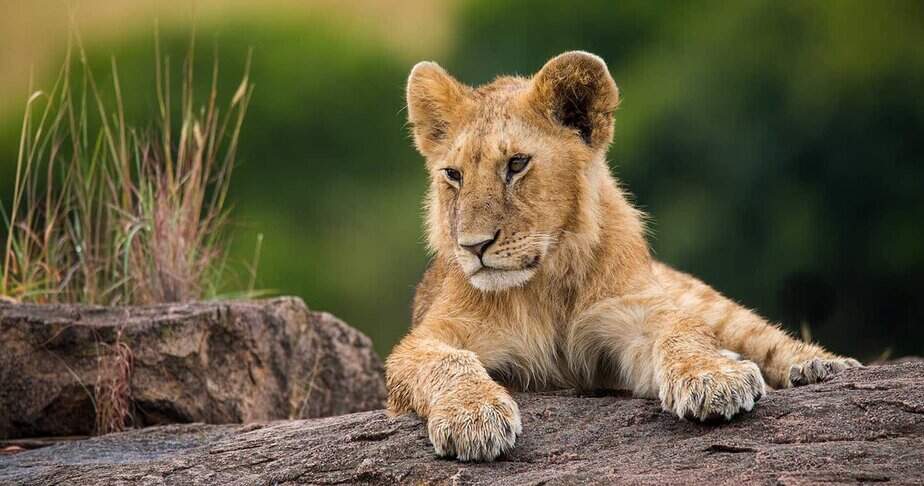
Best Time to Visit Kenya for Safari
Best Time to Visit Kenya for a Safari: Month-by-Month Wildlife, Weather & Travel Guide
Kenya offers year-round safari experiences, but the best time to visit depends on what you want to see and experience. From the Great Migration in the Maasai Mara to elephant viewing in Amboseli and birdwatching around Lake Nakuru, each season offers different wildlife encounters, weather conditions, and pricing advantages. Whether you are comparing luxury lodges or planning affordable Kenya safari packages, understanding these seasonal differences will help you choose the right safari for your travel goals.
The best time to visit Kenya for safari is generally June to October, during the dry season when wildlife viewing is at its best and the Great Migration reaches the Maasai Mara. Travellers looking for lower prices and fewer crowds may prefer January to March, or the green season from November to May, when the landscapes are lush and safari lodges often offer better value.
One of the most common questions travellers ask is: What is the best time to visit Kenya for a safari? The answer depends on your priorities—whether that is witnessing river crossings during the Great Migration, enjoying quieter game drives, travelling on a budget, or capturing photography in dramatic seasonal landscapes. This guide provides a month-by-month breakdown of Kenya’s safari seasons, wildlife movements, weather patterns, and travel costs to help you plan the perfect African safari.
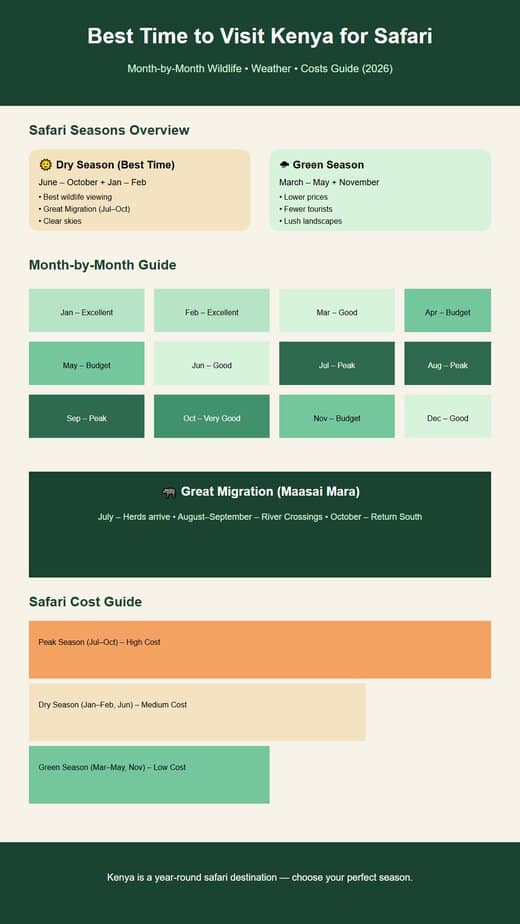
This visual guide helps you choose the best time for your Kenya safari based on wildlife, weather, and budget.
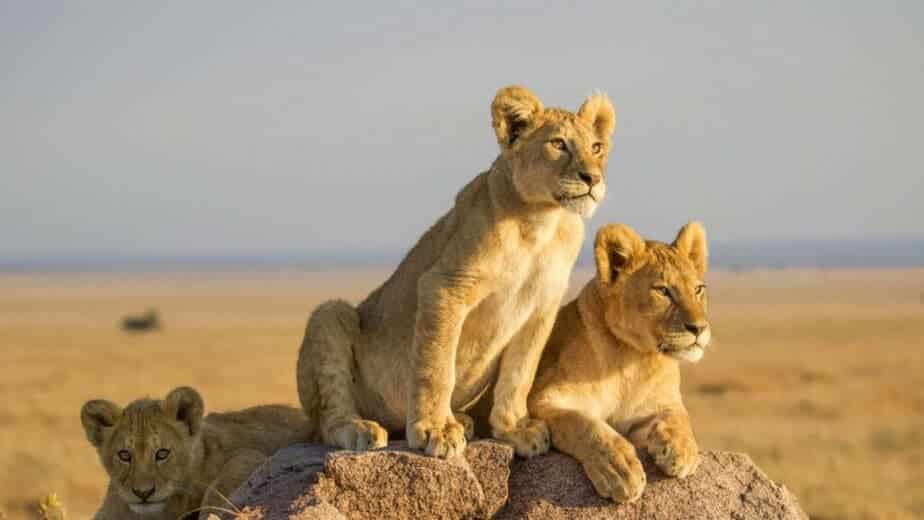 Masai Mara Lion Cubs
Understanding Kenya’s Safari Seasons
Kenya enjoys a generally mild climate year-round, with temperatures influenced more by altitude than by season. Safari conditions are primarily shaped by rainfall, which affects vegetation, wildlife movement, and travel costs.
Kenya’s Main Safari Seasons
-
- Dry Season: January–February and June–October. Safaris in Kenya are especially rewarding during the dry season, when sparse vegetation and limited water sources make wildlife easier to spot.
-
- Green (Rainy) Season: March–May and November
Each season offers unique advantages, making Kenya a rewarding safari destination at any time of year.
January & February: Prime Wildlife Viewing and Ideal Weather
January and February are among the best months to visit Kenya for a safari. These months fall within a dry period, with warm temperatures, minimal rainfall, and excellent visibility.
Why Visit During This Period?
-
- Wildlife gathers around rivers and water sources
-
- Short grass improves animal sightings
-
- Fewer crowds than peak migration season
Wildlife Highlights
-
- Consistent Big Five sightings
-
- Excellent predator activity
-
- Calving season for some herbivores
This period is especially suitable for travelers seeking exclusivity and flexibility. Many private Kenya safari packages offer customized itineraries, uncrowded game drives, and outstanding photographic opportunities in the Maasai Mara, Amboseli, and Samburu.
March: Transition Month With Growing Value
March marks the gradual transition into the long rainy season. Early March often remains dry, while rainfall increases toward the end of the month.
Benefits of Visiting in March
-
- Lower safari prices begin to appear
-
- Lush landscapes create beautiful scenery
-
- Fewer visitors in popular parks
Wildlife viewing remains strong, and March is ideal for travelers who want good conditions without peak-season pricing.
April & May: Green Season and Best Time for Budget Safaris
April and May are the wettest months in Kenya and are considered the low safari season. While rainfall is more frequent, it rarely lasts all day.
Advantages of the Green Season
-
- Significantly reduced lodge and tour prices
-
- Very few tourists in major reserves
-
- Exceptional birdwatching with migratory species
Things to Consider
-
- Some remote roads may be muddy
-
- Wildlife disperses due to abundant water
Despite this, game viewing can still be excellent, especially in major parks. This is the best time to book affordable Kenya safari packages that deliver excellent value without compromising on experience.
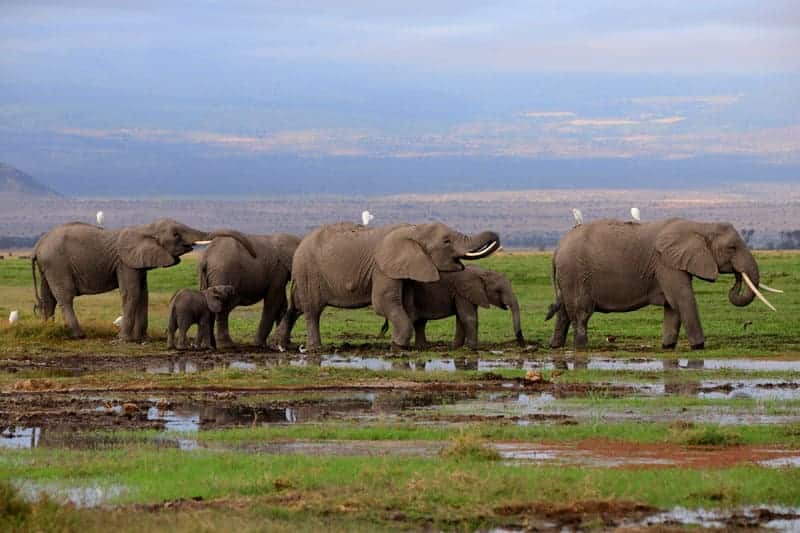
Amboseli Elephants Mount Kilimanjaro
June: Beginning of Peak Safari Season
June marks the return of the dry season and the start of prime safari conditions.
What Makes June Special?
-
- Cooler temperatures and clear skies
-
- Wildlife begins concentrating near water sources
-
- Start of Great Migration movement toward Kenya
As wildebeest begin their journey north from Tanzania, travelers increasingly book Maasai Mara safari packages focused on early migration sightings and classic game drives.
July: One of the Best Months for a Kenya Safari
July is widely regarded as one of the best months for wildlife viewing in Kenya.
Why July Is So Popular
-
- Dry weather and excellent road conditions
-
- Short grass improves visibility
-
- High predator activity
The Great Migration typically reaches the Maasai Mara during this time, making July ideal for first-time safari travelers and wildlife photographers.
August to October: Great Migration Peak Season
August and September represent the absolute peak of Kenya’s safari season and are considered the best months to visit for many travelers.
Great Migration in Maasai Mara
-
- Over a million wildebeest and zebras
-
- Dramatic Mara River crossings
-
- Intense predator-prey interactions
During this period, demand is high, and lodges fill quickly. Many travelers opt for expertly guided Maasai Mara safari tours or comprehensive safaris in Kenya to secure prime accommodation and viewing areas.
While July to October is considered peak migration season, wildlife sightings in the Maasai Mara remain excellent throughout the year. Many experienced guides actually prefer January and February because predator activity is high, landscapes are greener, and visitor numbers are lower than during migration months.
Travelers should also note that safari costs vary significantly by season. Lodges and camps in popular parks such as the Maasai Mara are typically most expensive from July through October, while the rainy seasons often offer lower accommodation rates and better availability.
October: Slightly Quieter but Still Excellent
October often sees fewer crowds while wildlife remains abundant. Migration herds may still be present, and conditions are ideal for photography.
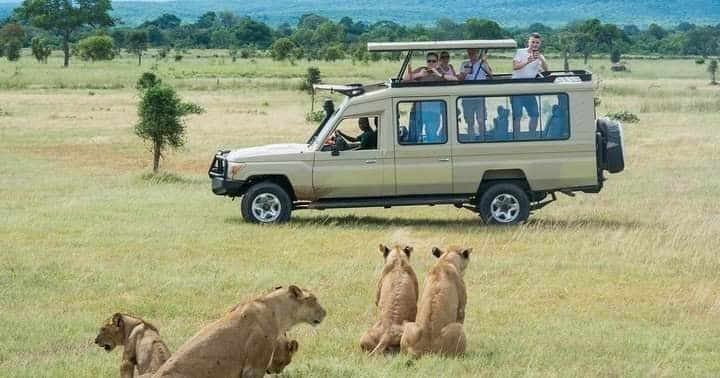
Kenya Safari Game Drive Dry Season
November: Short Rains and Excellent Value
November brings short rains, typically in the form of brief afternoon showers.
Why November Is Worth Considering
-
- Lower prices compared to peak season
-
- Fresh green scenery
-
- Wildlife viewing remains strong
This month offers a great balance between affordability and quality safari experiences.
December: Festive Season and Holiday Safaris
December is a popular time to visit Kenya, especially during the Christmas and New Year holidays.
What to Expect
-
- Warm, pleasant weather
-
- Reliable wildlife sightings
-
- Increased demand and higher prices during holidays
Early December is quieter, while late December should be booked well in advance through trusted Kenya safari packages.
Best Time to Visit Kenya Based on Travel Goals
Best Overall Wildlife Viewing
July to October — Dry season and peak animal concentrations. In late September, predator sightings in Mara Triangle often become better because river crossing crowds begin thinning while resident wildlife remains concentrated.
Best Time for the Great Migration
August to September — Mara River crossings at their best
Best Time for Budget Safaris
April to May — Lowest prices of the year
Best Time for Photography
January to February — Clear skies and vibrant landscapes
Best Time to Avoid Crowds
March, May, and November
Travelers seeking peak experiences are encouraged to book early through professionally curated Kenya safari packages to secure the best availability.
Kenya Safari Weather Overview
Kenya’s climate is comfortable year-round:
-
- Daytime temperatures: 20–30°C (68–86°F)
-
- Cooler mornings and evenings, especially in highland areas
Rainfall patterns influence scenery more than safari quality, and game drives continue in most conditions.
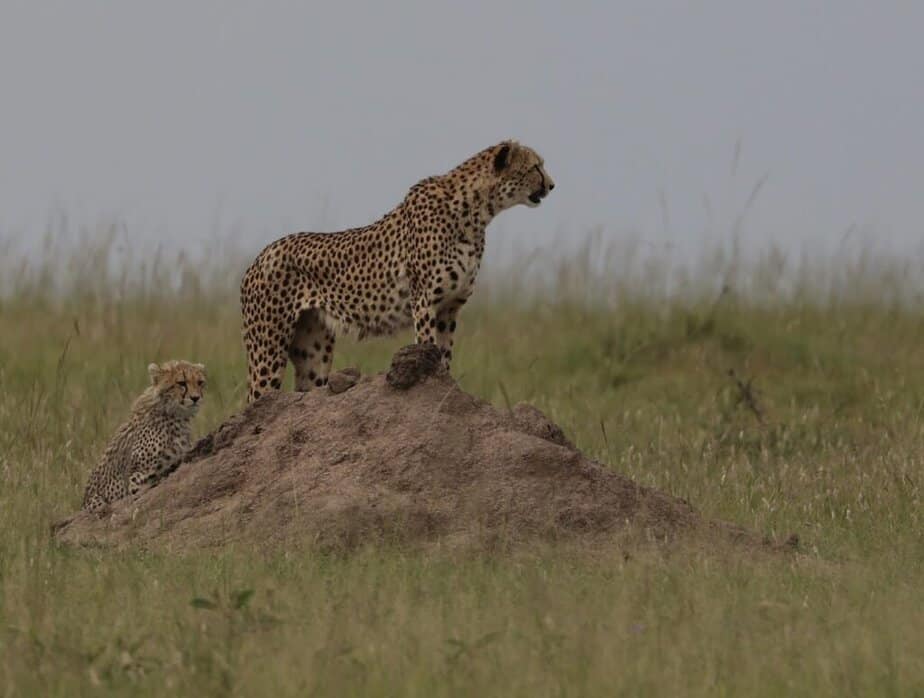
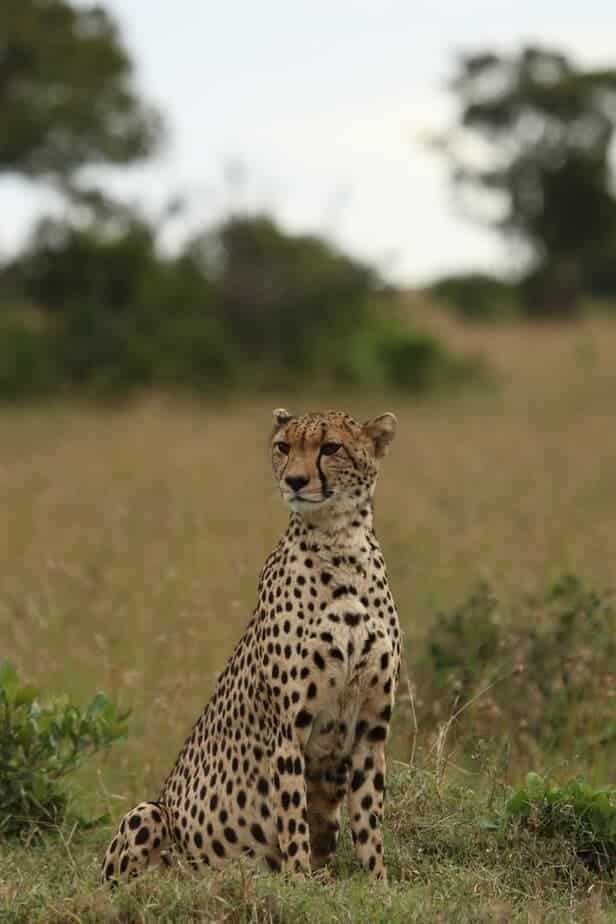
Cheetahs in Maasai Mara
Best Time to Visit Kenya by Month (Wildlife, Weather & Cost)
This month-by-month guide helps you choose the best time for a Kenya safari based on wildlife activity, weather conditions, crowds, and overall travel cost:
| Month | Wildlife Viewing | Weather | Crowds | Safari Cost | Highlights |
|---|---|---|---|---|---|
| Jan | Excellent | Dry & warm | Low–Medium | Medium | Great predator sightings, clear skies |
| Feb | Excellent | Hot & dry | Low | Medium | Calving season in some areas |
| Mar | Good | Start of rains | Low | Lower | Green landscapes, fewer tourists |
| Apr | Fair | Long rains | Very low | Lowest | Lush scenery, limited accessibility |
| May | Fair | Rainy season | Very low | Lowest | Budget travel, fewer vehicles |
| Jun | Very good | Drying up | Medium | Rising | Start of peak safari season |
| Jul | Excellent | Dry | High | High | Great Migration begins |
| Aug | Excellent | Dry | Very high | Peak | River crossings in Maasai Mara |
| Sep | Excellent | Dry | High | High | Peak wildlife concentration |
| Oct | Very good | Dry ending | Medium–High | High | Migration still present |
| Nov | Good | Short rains | Low | Lower | Green season begins |
| Dec | Very good | Mixed weather | Medium | Medium–High | Festive season safaris |
Best Time to Visit Kenya by Safari Destination
While Kenya can be visited year-round, the best time to go on safari can vary depending on the park you choose. Different regions offer slightly different wildlife patterns, landscapes, and seasonal advantages.
Masai Mara National Reserve is part of the Serengeti ecosystem and is recognized for its ecological importance by UNESCO and is Managed by Narok County Government. Masai Mara is best visited between July and October, when the Great Migration crosses from the Serengeti into Kenya. This is the most dramatic wildlife period, with river crossings and large predator activity. However, the Mara also offers excellent game viewing from January to March, when crowds are fewer and predator sightings are often very rewarding.
According to Kenya Wildlife Service, Amboseli National Park is best known for its large elephant herds and views of Mount Kilimanjaro. The dry seasons from June to October and January to February offer the clearest mountain views and easiest wildlife spotting, as animals gather around limited water sources.
Samburu National Reserve in northern Kenya has a more arid climate and is best visited during the dry months from June to October and December to March. This is when wildlife concentrates along the Ewaso Nyiro River, making sightings more predictable and rewarding.
Lake Nakuru National Park is excellent year-round, especially for birdwatching. However, the dry months from June to September and January to March offer better road conditions and clearer viewing around the lake.
By choosing the right destination for the right season, you can significantly improve your safari experience in Kenya, whether your priority is the Great Migration, predator action, photography, or quieter wildlife encounters.
Frequently Asked Questions
What is the best month to go on safari in Kenya?
July to October is widely considered the best time for safari in Kenya because dry conditions make wildlife easier to spot and the Great Migration takes place in the Maasai Mara during this period. These months also offer sunny weather and excellent game-viewing conditions across most national parks.
Which Kenya safari package is best for first-time visitors?
For first-time travelers, Kenya safari packages that include the Maasai Mara provide the best mix of wildlife sightings, comfort, and accessibility.
When should I book a Maasai Mara safari package?
It’s recommended to book Maasai Mara safari packages at least 6–9 months in advance for travel between July and September.
Are Kenya safari packages available year-round?
Yes, professionally guided Kenya safari packages operate year-round, with seasonal pricing and experiences.
Can I see the Big Five all year in Kenya?
Yes. The Big Five can be seen year-round, though sightings are easiest during the dry seasons from January–February and June–October.
Final Thoughts: When Is the Best Time to Visit Kenya for a Safari?
Whether you want to witness the Great Migration, enjoy quieter game drives, photograph Kenya’s dramatic green landscapes, or travel on a lower budget, the country offers exceptional safari experiences throughout the year. The best time to visit ultimately depends on your priorities, preferred parks, and travel style.
There is no single perfect time to visit Kenya — the ideal season depends on your travel goals, budget, and safari interests. From peak wildlife viewing in the dry season to more affordable and peaceful green season travel, Kenya delivers remarkable safari experiences year-round.
Choosing the right season — and the right safari itinerary — ensures better wildlife encounters, improved comfort, and greater overall value during your African safari.
Plan your Kenya safari today and explore tailor-made itineraries designed for the Maasai Mara, Amboseli, and other top national parks. Contact us to start planning your African safari experience.