Kenya Safari Packing List: 7 Essential Items to Bring
Kenya Safari Packing List: 7 Essentials You Should Never Leave Behind
Preparing for a Kenya safari is an exciting part of the adventure. Whether you’re visiting the Maasai Mara, Amboseli, Tsavo, or Samburu, packing the right gear will help you stay comfortable, protected, and ready for every wildlife encounter.
From early morning game drives to breathtaking sunsets across the savannah, having the right equipment can make all the difference. This Kenya safari packing list covers the seven essentials every traveler should bring for an unforgettable African safari.
1. Binoculars
No Kenya safari packing list is complete without a quality pair of binoculars.
While you’ll often see elephants, giraffes, zebras, and lions from your safari vehicle, many animals remain at a distance. Binoculars allow you to enjoy close-up views without disturbing wildlife and are especially useful for spotting elusive predators and distant herds.
They’re also a must for bird lovers. Kenya is home to more than 1,000 recorded bird species, making it one of Africa’s top birdwatching destinations.
For the best experience, choose binoculars with 8x or 10x magnification and good light-gathering capability.
2. Neutral-Coloured Safari Clothing
Choosing the right clothing is one of the most important parts of packing for a Kenya safari.
Wear lightweight, breathable clothing in neutral shades such as khaki, olive, beige, or brown. These colours blend naturally into the environment and help avoid attracting unnecessary attention from wildlife.
Avoid bright colours and pure white, which stand out in the bush and show dust easily.
Since temperatures vary throughout the day, dress in layers. Early morning game drives can be chilly, while afternoons are often warm and sunny.
Don’t forget to pack:
- A fleece or light jacket
- Long-sleeved shirts
- Lightweight trousers
- A waterproof rain jacket for unexpected showers
3. Sun Protection
Kenya enjoys sunshine throughout much of the year, making sun protection essential.
Pack a broad-spectrum sunscreen with SPF 50+, an SPF lip balm, and polarized sunglasses to reduce glare while searching for wildlife across open plains.
A wide-brimmed hat with a chin strap provides extra protection for your face, ears, and neck and stays secure during windy game drives.
Bringing your own sunscreen is also a smart way to save money, as it can be more expensive in safari destinations.
4. Camera and Accessories
A Kenya safari offers countless photo opportunities, from dramatic predator sightings to spectacular landscapes and colourful birdlife.
While modern smartphones take excellent photos, a dedicated camera with a zoom lens allows you to capture wildlife safely from a distance.
To avoid missing the perfect shot, bring:
- A versatile zoom lens
- Spare batteries
- Extra memory cards
- A portable power bank
- A lens cleaning cloth
Dust is common on safari, so keeping your equipment clean will help maintain image quality throughout your trip.
5. Comfortable Walking Shoes
Most Kenya safaris involve relatively little walking, so heavy hiking boots are usually unnecessary.
Instead, choose lightweight walking shoes or trail shoes that offer comfort, breathability, and good grip on uneven ground. Water-resistant footwear is especially useful if you’re travelling during the rainy seasons.
Most importantly, wear your shoes before your trip to ensure they’re comfortable and fully broken in.
6. Insect Repellent
An effective insect repellent is one of the most important health items to pack for a Kenya safari.
Mosquitoes and ticks are present in many safari areas, particularly around dawn and dusk. Wear long sleeves and trousers during these times and apply insect repellent regularly.
Products containing DEET provide excellent protection against mosquitoes and ticks, while repellents made with oil of lemon eucalyptus (OLE) are another effective option against mosquitoes.
Packing your own insect repellent before departure is often more convenient and cost-effective.
7. Water Bottle and Healthy Snacks
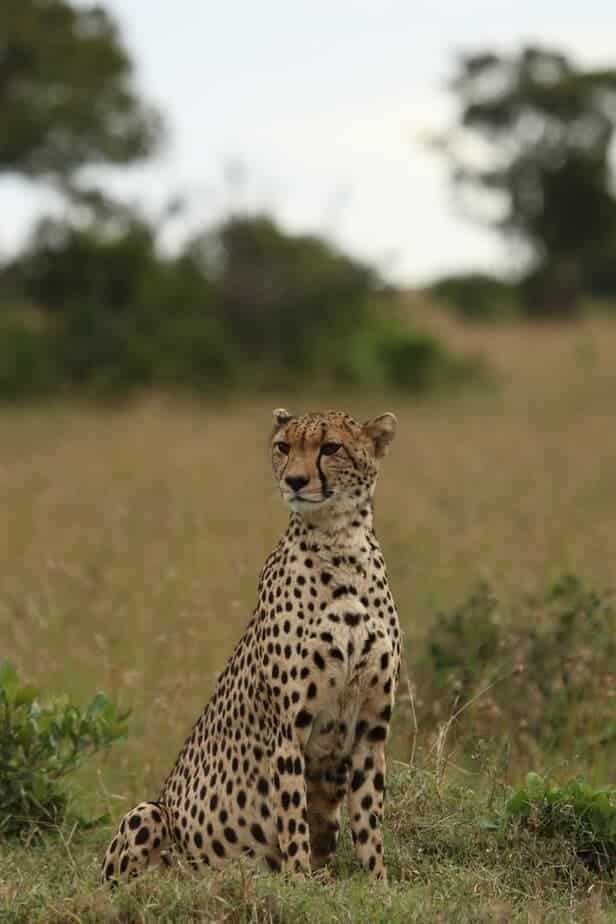
Game drives don’t always follow a schedule. If your guide spots a leopard resting in a tree or a cheetah hunting across the plains, you’ll likely want to stay and enjoy the experience.
Carry a reusable water bottle and drink regularly to stay hydrated throughout the day.
It’s also worth packing a few non-perishable snacks such as:
- Mixed nuts
- Dried fruit
- Granola bars
- Crackers or plain biscuits
These are easy to carry and provide energy between meals.
Bonus Safari Packing Tips
To make your safari even more comfortable, consider packing:
- A reusable water bottle
- Small daypack
- Portable charger
- Travel adaptor (Type G plugs are commonly used in Kenya)
- Personal medications
- Hand sanitizer and wet wipes
- Copies of important travel documents
- A flashlight or headlamp
Final Thoughts
Packing wisely means you can focus on what really matters—watching incredible wildlife and enjoying every moment of your adventure.
With this Kenya safari packing list, you’ll be well prepared for everything from sunrise game drives in the Maasai Mara to elephant sightings beneath Mount Kilimanjaro in Amboseli.
Whether it’s your first safari or your fifth, these essentials will help ensure your Kenya safari is safe, comfortable, and truly unforgettable.
Planning your Kenya safari? Contact our team today to learn more about our tailor-made safari packages and start creating the adventure of a lifetime.